
Introduction
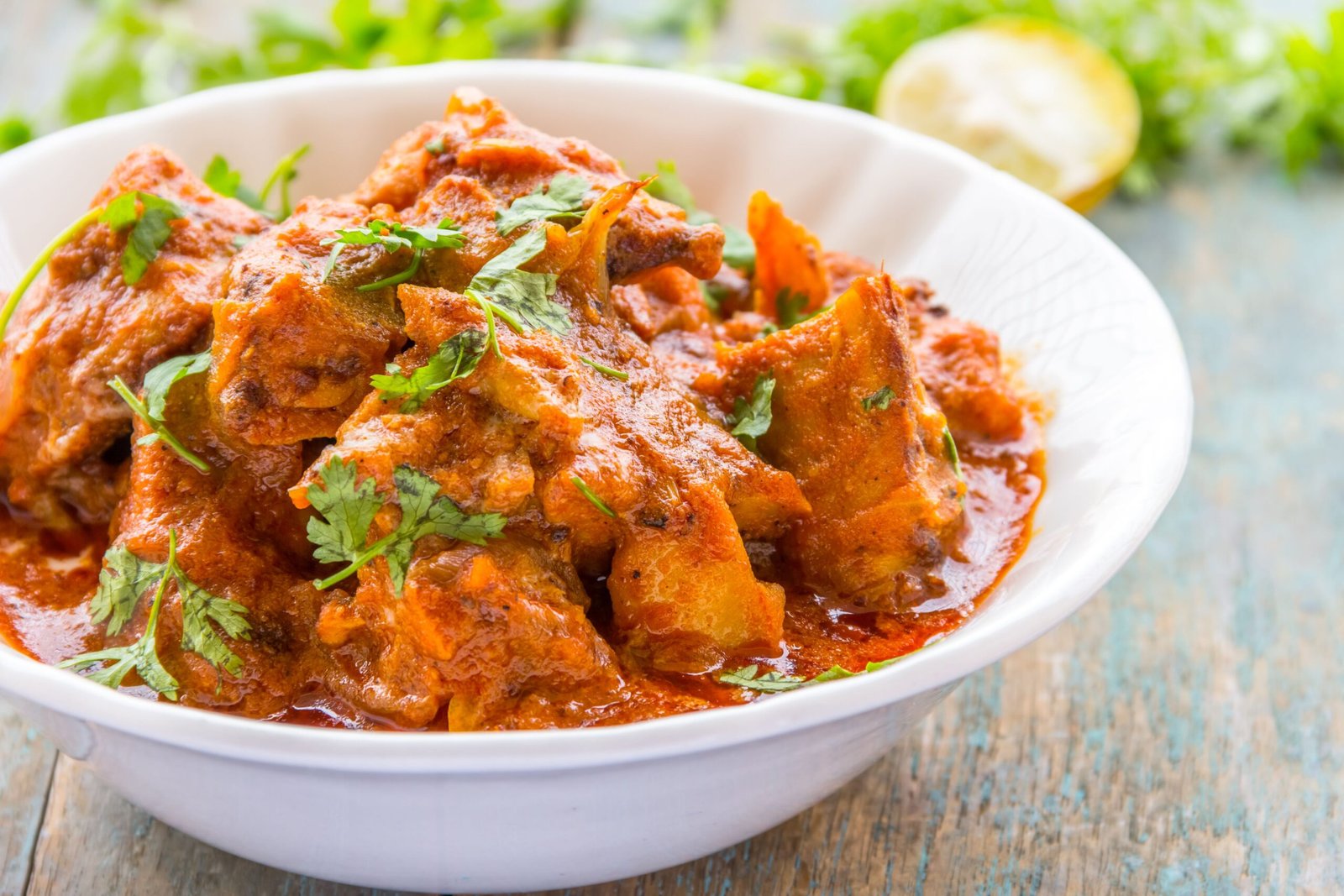
Pollaste is simply food — a traditional chicken-based dish known for its rustic flavors, simple ingredients, and comforting, home-style preparation. People often discover the word while searching for regional recipes, cultural dishes, or flavorful chicken meals with deep roots in everyday cooking. The popularity of searches like “pollaste recipe,” “pollaste meaning,” and “how to cook pollaste” shows how many people want to understand and recreate this classic dish in their own kitchens.
Where Pollaste Comes From: A Look at Its Origins
The word “pollaste” draws influence from Catalan culinary traditions, where chicken dishes hold a central place in home cooking. Over time, the recipe evolved as different regions added their own touches — spices, vegetables, cooking methods, and even side dishes. Although pollaste’s meaning is straightforward (a food dish), its style varies depending on where you find it, making it a flexible and familiar part of many culinary settings.
What Makes Pollaste Unique?
Pollaste isn’t about complicated instructions or rare ingredients. The dish stands out for being:
-
Flavorful, thanks to herbs, garlic, paprika, or lemon
-
Comforting, often served as a warm family-style meal
-
Versatile, with endless variations depending on your pantry
-
Accessible, since it uses basic kitchen staples
This simplicity is exactly why pollaste remains popular across different cultures and homes.
Ingredients Commonly Used in Pollaste
Most versions of pollaste use familiar, easily found ingredients:
-
Chicken pieces (legs, thighs, or a whole cut-up chicken)
-
Olive oil or butter
-
Garlic and onions
-
Tomatoes, carrots, or seasonal vegetables
-
Paprika, black pepper, salt
-
Fresh herbs such as thyme, parsley, or rosemary
-
Lemon or broth for added flavor
These ingredients create a dish that is comforting, aromatic, and satisfying without being heavy or overly complex.
How to Make Pollaste: A Simple, Reliable Recipe
If you’re new to the dish, here’s a straightforward method that captures the heart of traditional pollaste:
Step 1: Season the Chicken
Sprinkle salt, pepper, paprika, and a little lemon juice over the chicken. Rub it in so the flavors stick.
Step 2: Brown the Chicken
Heat oil in a pan. Add the chicken pieces and cook until lightly browned. This step gives the dish its signature depth of flavor.
Step 3: Add Vegetables
Drop in chopped onions, tomatoes, garlic, or vegetables of your choice. Let them cook until soft.
Step 4: Let It Simmer
Add a splash of broth or water. Cover the pot and let everything simmer until the chicken is tender and the flavors come together.
Step 5: Serve and Enjoy
Pollaste pairs well with rice, bread, potatoes, or simple salads.
This approachable cooking method is why so many search for “easy pollaste recipe” — it truly is beginner-friendly.
Variations of Pollaste Around the Table
Different kitchens prepare pollaste in their own unique ways. A few popular variations include:
-
Lemon herb pollaste — bright and refreshing
-
Paprika-style pollaste — smoky and rich
-
Tomato-based pollaste — slightly tangy and rustic
-
Vegetable-loaded pollaste — heartier and more wholesome
These variations allow pollaste to fit into different diets, seasons, and personal tastes.
Nutritional Benefits of Pollaste
Pollaste offers a decent nutritional profile, especially when made with fresh vegetables and lean chicken. Benefits include:
-
High protein content
-
Low to moderate calories
-
Vitamins and minerals from added vegetables
-
Healthy fats when made with olive oil
Thanks to these features, many people consider pollaste a balanced meal suitable for regular rotation.
Cultural Significance of Pollaste
Pollaste often shows up at family gatherings, weekend meals, or cultural celebrations. It represents comfort, tradition, and the kind of food that brings people together. Because the recipe can be adjusted based on local ingredients, pollaste feels both familiar and adaptable — a dish rooted in home cooking rather than rigid rules.
Why Pollaste Remains Popular Today
A few simple reasons explain pollaste’s ongoing appeal:
-
It’s easy to prepare, even for beginners.
-
It uses everyday ingredients found in most kitchens.
-
It fits many dietary needs without major changes.
-
It welcomes creativity, letting cooks adjust flavors their way.
-
It carries a sense of tradition and comfort that modern dishes sometimes lack.
Pollaste offers the kind of culinary flexibility that keeps a recipe alive across generations.
Conclusion
Pollaste may sound unfamiliar at first, but at its core, it’s simply a warm, flavorful chicken dish passed through time and kitchens around the world. Whether prepared with herbs, vegetables, lemon, or paprika, it delivers a comforting homemade quality people return to again and again. As a recipe, it remains easy to learn, easy to adapt, and easy to enjoy — which is exactly why pollaste continues to be part of both traditional tables and modern home cooking.