
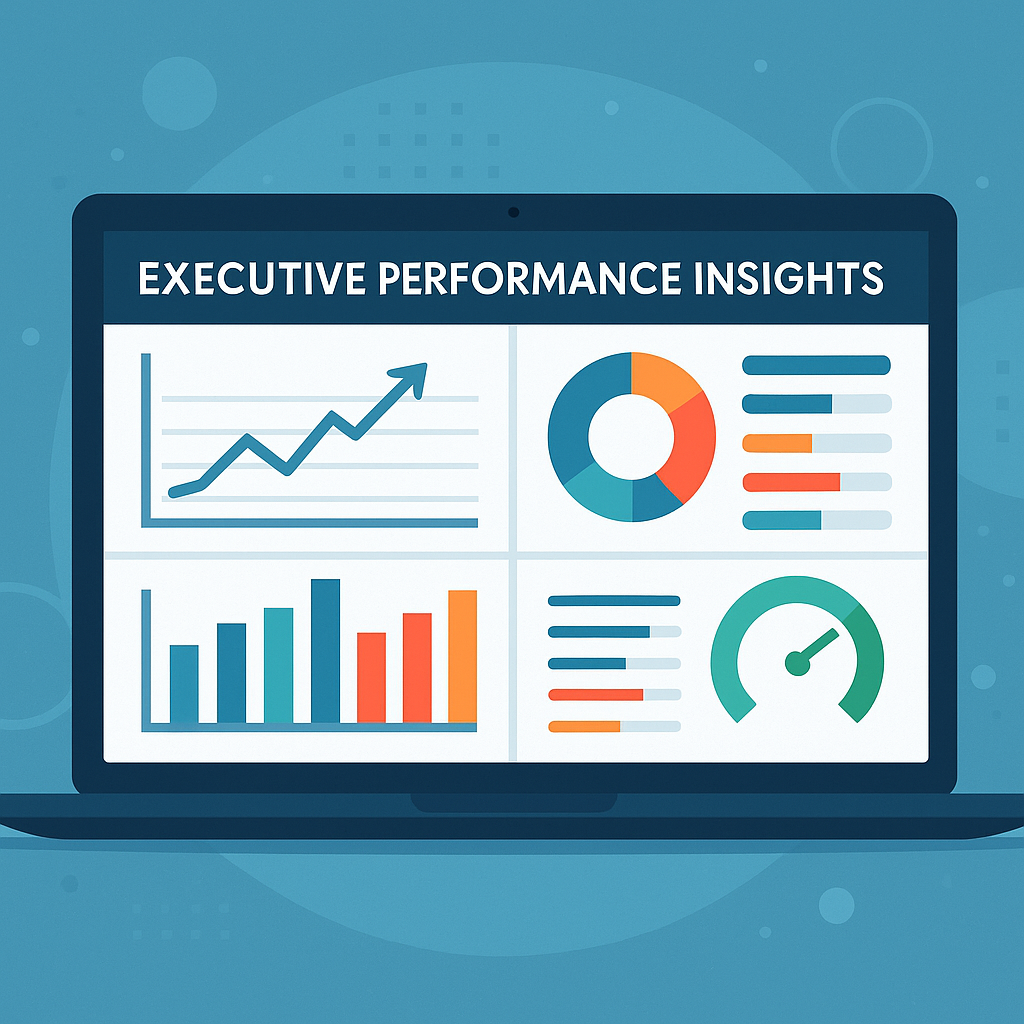
Introduction: Why EO PIS Is Becoming a Strategic Imperative
Executives pretend their dashboards make sense. You’ve seen it — that polite nod while twenty KPIs fight for attention on a single screen. EO PIS (Executive Operations Performance Indicator System) walks into that circus like someone who actually knows how to read the room. Real-time performance indicators, unified executive dashboards, and something resembling actual clarity. Companies are finally admitting they need it. Took long enough.
What Is EO PIS?
Picture every operational signal your organization spits out — clean, dirty, confusing, all of it — pulled into one place and organized around strategy instead of noise. That’s EO PIS. Not a “tool” or “platform,” just a way smarter way of running a business. The long name makes it sound like some government project. Ignore that. It’s a system that gives executives performance insights they don’t have to squint at.
Why EO PIS Matters Now
Business today feels like trying to sprint while someone keeps throwing Legos on the floor. Too much data. Too many dashboards. Not enough direction. Leaders can’t make quick decisions when half their metrics contradict the other half. EO PIS cuts through that chaos. Suddenly the things that actually matter start rising to the surface — strategic alignment, cross-department signals, operational health. Everything gets snappier. Cleaner. Less guessy.
Core Components of EO PIS
This system isn’t built on fluffy concepts. It runs on sharp pieces: real-time data integration, a hierarchy of indicators that actually match the company’s goals, predictive analytics that don’t require a PhD, and executive dashboards that don’t feel like a punishment. Then there’s the feedback loop — the part that forces teams to adjust instead of shrug. The whole setup feels more alive than the usual “weekly KPI report” fossil.
EO PIS vs Traditional KPI Systems
KPIs sit there like bored security guards. EO PIS behaves more like someone tapping your shoulder saying, “Hey, this thing’s drifting — fix it.” KPIs measure. EO PIS interprets. Traditional KPI systems scatter numbers across departments. EO PIS pulls everything into one strategic view that even a half-awake COO can process before the morning coffee kicks in. Comparing the two feels like comparing a flip phone to a smartphone. Cute, but pointless.
How EO PIS Works: Step-by-Step Framework
EO PIS starts with a ruthless cleanup — identifying which indicators matter and which ones exist because someone added them during the Bush administration and never removed them. Then it aligns departments so nobody’s hoarding data like a dragon guarding treasure. Dashboards get built next, stripped of fluff and designed for actual executives. Automation kicks in, sending alerts before things spiral. Reviews become quicker, sharper, more honest. The workflow feels almost too sane.
Implementation Blueprint: How to Deploy It
Rollouts usually reveal who’s been faking their reports. Start by auditing everything. Toss vanity metrics in the trash. Define outcomes the C-suite actually cares about — not the cute stuff middle managers invent to look busy. Data teams wire the integrations. Analysts create the indicator architecture. Operations keeps everyone grounded so the whole system doesn’t float into theoretical nonsense. Training’s the messy part. People cling to their spreadsheets like comfort blankets. They’ll get over it.
EO PIS Use Cases Across Industries
Manufacturing teams grab EO PIS to spot bottlenecks. Hospitals use it to track patient flow without waiting for a committee meeting. SaaS companies watch churn indicators light up before customers even complain. Governments appreciate the accountability layer — even if some people squirm. Schools track outcomes without drowning in reports. Every industry has metrics scattered everywhere. EO PIS gathers them into something that doesn’t require decoding.
Benefits of EO PIS
Leaders stop guessing. Decisions happen faster. Accountability stops being a myth. Transparency spreads across teams without turning into a surveillance vibe. When the system highlights performance issues, it feels more like honest reflection and less like blame-hunting. And the real win? Everything finally connects — strategy, operations, people, outcomes. That sense of “Are we even aligned?” starts fading.
Challenges and Risks
EO PIS doesn’t magically fix dysfunctional cultures. Pick bad indicators and the whole system collapses like a folding chair at a family barbecue. Too many indicators? Executives drown all over again. Legacy systems fight integrations like stubborn toddlers. And some employees resist transparency because — well, you know why. EO PIS doesn’t hide problems. It shines a flashlight on them. Not everyone loves flashlights.
Future of EO PIS: AI & Predictive Intelligence
The next wave of EO PIS feels almost sci-fi: dashboards that summarize themselves, predictive alerts trailing behind every operational hiccup, anomaly detection that whispers, “Hey, check the supply chain, something’s twitchy.” AI won’t replace executives, but it’ll nudge them consistently. Eventually leaders won’t be digging through dashboards at all. Insights will land in their lap — fast, clean, unfiltered. That’s where this is all heading.
EO PIS & Corporate Governance
Boards don’t want excuses. They want clean numbers that don’t play hide-and-seek. EO PIS strengthens governance by capturing risks early instead of after quarterly meetings. Shared dashboards mean CFOs and COOs finally stop having “whose data is right?” arguments. Reporting cycles shrink. Errors drop. And the whole tone changes — from defensive to strategic. Governance becomes something leadership actually uses instead of tolerates.
EO PIS Tools & Software Features
Solid EO PIS tools pull data from everywhere — CRMs, ERPs, financial systems, HR walls, operational platforms. They update in real time. They show the executive view without burying the details. They let leaders drill into a choke point without calling an analyst for translation. And if the system can’t handle predictive analytics or can’t run on mobile? Skip it. Life’s too short for clunky software.
EO PIS Glossary
Indicator Hierarchy: The ranking ladder of what matters and what’s just background noise.
Operational Signals: The day-to-day metrics quietly screaming for attention.
Executive Intelligence: The insights leaders grab to steer instead of observe.
Alignment Framework: The system keeping teams from drifting in eight directions.
Predictive Markers: Early hints something’s about to go sideways.
Short, direct, the way executives like it.
Closing Thoughts
EO PIS isn’t another shiny acronym. It’s the escape hatch from the dashboard chaos executives pretend to understand but secretly resent. Once a company gets a taste of unified executive dashboards, real-time performance monitoring, strategic alignment, and all those clean operational signals in one place — well, the old KPI system starts looking like a fossil. EO PIS doesn’t make leaders smarter. It removes the nonsense that keeps them from leading in the first place.
 IQnewswire