
Introduction to Flight Diversions
Traveling can be an exhilarating experience, filled with anticipation and excitement. However, the journey doesn’t always go as planned. Flight diversions are a reality many travelers face, often throwing a wrench into well-laid plans. One such incident that caught attention was Delta DL139’s unexpected route change from Venice to Atlanta via Amsterdam. While it may seem daunting at first glance, understanding how to navigate these situations can make your travel experience smoother.
Whether you’re a seasoned globetrotter or planning your first getaway, being prepared for potential diversions is essential. Let’s dive into what flight diversions really mean and how you can stay calm when faced with unexpected changes in your travel itinerary.
Understanding the Reasons for Flight Diversions
Flight diversions can occur for various reasons, often beyond the control of airlines. Weather conditions are a primary factor. Severe storms or unexpected turbulence may force pilots to change course for safety.
Mechanical issues present another concern. If an aircraft experiences technical difficulties, it’s crucial to land safely at the nearest airport rather than risk further complications.
Air traffic control restrictions also play a role in these decisions. Congestion at airports can lead to delays and require planes to divert temporarily until clearance is granted.
Health emergencies on board can prompt immediate action too. When a passenger requires urgent medical assistance, landing quickly becomes essential.
Geopolitical situations might necessitate a detour. Changes in airspace regulations can arise suddenly due to political tensions or security threats, leading flights off their original paths. Each diversion reflects careful consideration of safety and operational needs.
The Delta DL139 Incident – What Happened?
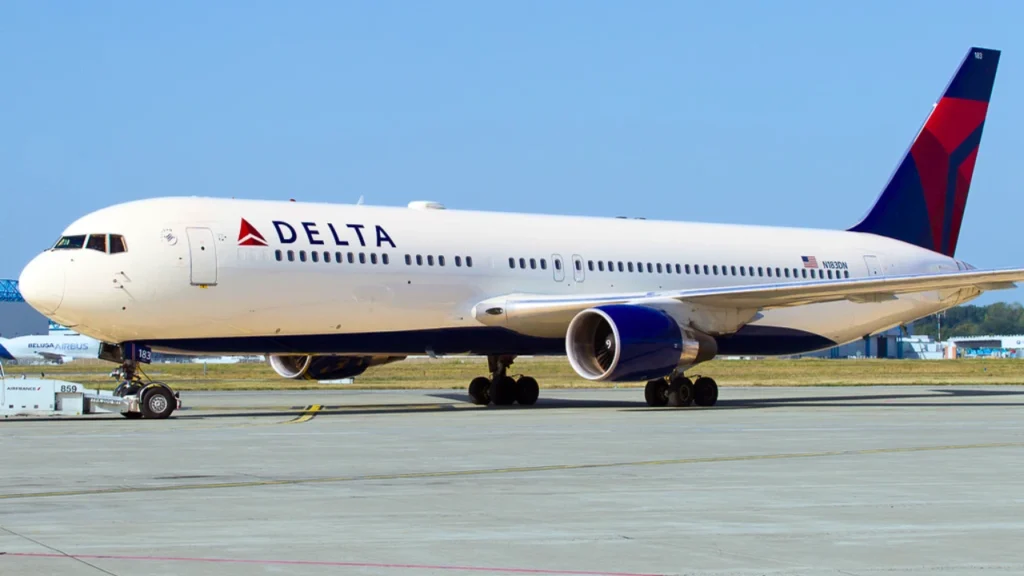
The Delta DL139 flight was an anticipated journey from Venice to Atlanta. Passengers boarded with excitement, but the adventure took an unexpected turn.
Mid-flight, crew members announced a diversion to Amsterdam. Weather conditions in Atlanta were deteriorating, prompting this necessary change.
Passengers experienced a mix of emotions—confusion and concern about their travel plans swirled through the cabin. The airline quickly communicated that safety was their priority.
As the plane descended into Amsterdam’s Schiphol Airport, travelers adjusted to new surroundings. Some relaxed while others anxiously checked connections on their devices.
Ground crews greeted them upon arrival with information and assistance for rebooking flights. Amid uncertainty, the professionalism of staff helped ease tensions as everyone processed this sudden shift in their travel itinerary.
How to Stay Calm and Safe During a Flight Diversion
When a flight diversion occurs, it can feel unsettling. The key is to focus on your breathing. Inhale deeply, hold for a few seconds, and exhale slowly. This simple technique helps center you amid uncertainty.
Stay informed by listening to announcements from the crew. They are trained to manage such situations and will provide updates when available. Keeping an ear open ensures that you’re not left in the dark.
Maintain communication with fellow passengers as well. Sharing experiences can ease anxiety and create a sense of camaraderie during unexpected changes.
Have your essentials handy—snacks, water, or entertainment can make waiting more bearable. If possible, stretch your legs occasionally; keeping active helps reduce stress levels.
Remember that diversions often happen for safety reasons. Trusting the airline’s decisions allows you to remain calm while they navigate through challenges like Delta DL139’s route shift towards Amsterdam.
Tips for Dealing with Delays and Rescheduling
When faced with flight delays or rescheduling, staying organized is key. First, keep your phone charged and ready. Check the airline app for real-time updates about your flight status.
Have a plan in place. Know nearby airports, alternative flights, and local accommodations if you need to stay overnight. A little research can save you time and frustration.
Stay connected with airline representatives at the airport. They’re often best equipped to assist you quickly when issues arise. Don’t hesitate to ask questions; clarity can reduce stress significantly.
Consider travel insurance for future trips. This can provide peace of mind during unexpected disruptions by covering costs associated with cancellations or missed connections.
Maintain a positive attitude. It’s easy to feel overwhelmed but remember that these situations are temporary, and patience will go a long way in making the experience manageable.
Compensation for Flight Diversions
Flight diversions can be frustrating, but there are avenues for compensation. Airlines often have policies in place to address passenger grievances related to such disruptions.
If your flight was diverted, check the airline’s website or contact customer service for guidance on their compensation policy. Each airline has different criteria regarding eligibility and types of compensation offered.
Keep all relevant documents handy—boarding passes, receipts, and any communication from the airline about the diversion. This information will strengthen your case when seeking reimbursement or other forms of recompense.
In some cases, you may also qualify for compensation under EU regulations if traveling within Europe or with a European carrier. Understanding these laws can make a significant difference in what you’re entitled to receive.
Patience is key when navigating through this process. It might take time before you hear back from the airline regarding your claim.
Preparing for Future Travel Disruptions
Travel disruptions can happen unexpectedly. Preparing in advance can make a world of difference.
Start by packing essentials in your carry-on. Include snacks, chargers, and any necessary medications. This way, you’re self-sufficient during delays.
Stay updated on flight statuses. Download airlines’ apps or use travel tracking websites to receive real-time notifications about your itinerary changes.
Consider purchasing travel insurance. It might seem like an extra expense but could save you money if significant delays or cancellations occur.
Familiarize yourself with alternative routes and nearby airports. Knowing your options gives you flexibility when faced with unexpected detours.
Keep essential documents easily accessible; this includes boarding passes and identification. In stressful situations, quick access helps streamline the process.
Cultivate a patient mindset. Embracing the unpredictability of travel reduces stress and enhances your overall experience on the road—or in the air!
Conclusion
Traveling can be an adventure, but it’s not without its bumps along the way. Flight diversions, like Delta DL139’s unexpected route change from Venice to Atlanta via Amsterdam, serve as a reminder of the unpredictability of air travel. Understanding what causes these diversions helps travelers prepare for potential disruptions.
When faced with an incident like this, staying calm and safe is crucial. Keeping informed and knowing your rights can make all the difference in managing stress levels during unforeseen delays or changes.
Compensation options are available for those impacted by significant diversions, offering some relief amidst travel chaos. Preparing for future disruptions enhances your resilience as a traveler and ensures you’re equipped to handle whatever comes your way.
As we navigate the skies together, remember that such experiences are part of the journey. Embrace them with patience and readiness for new adventures ahead!