
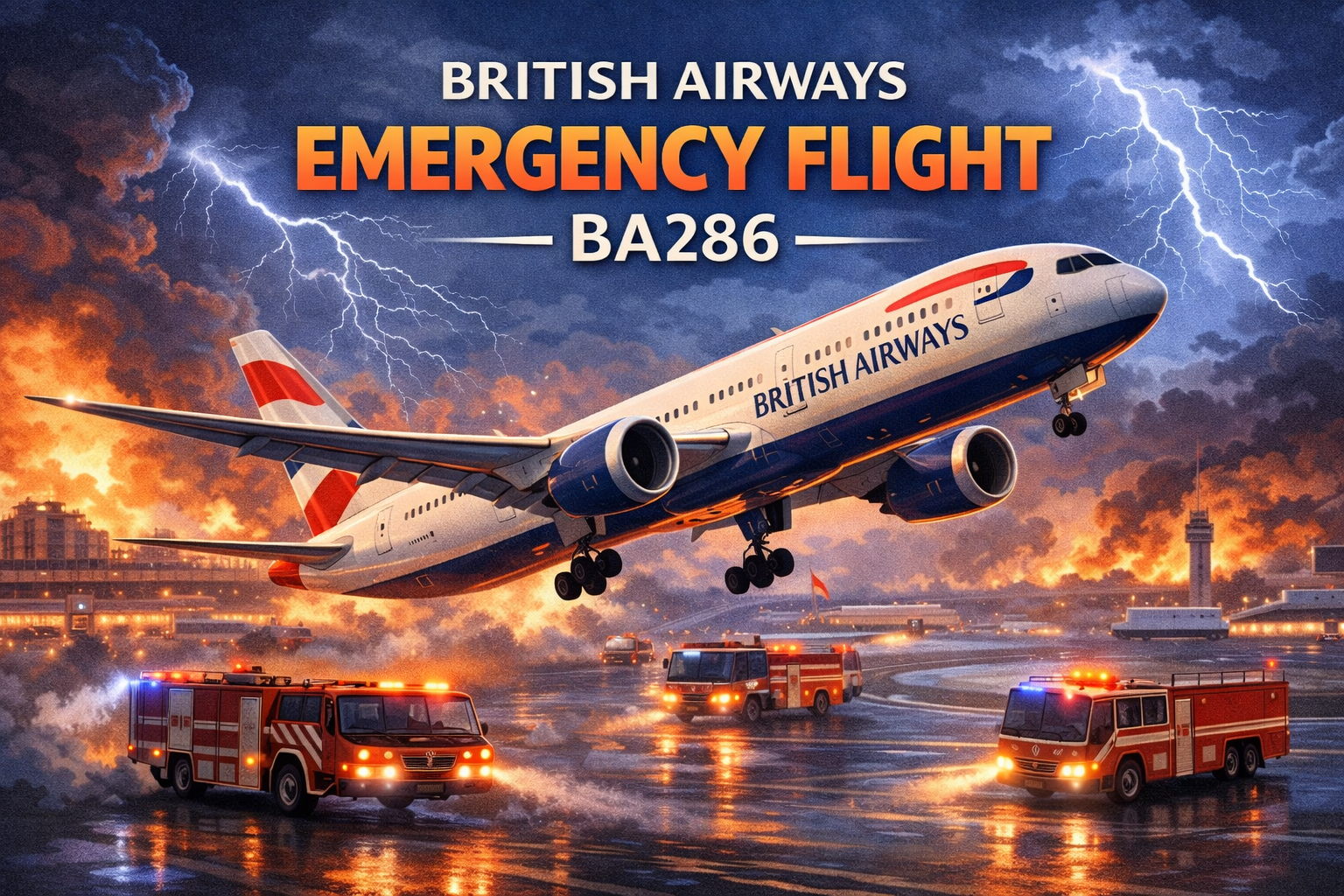
Introduction to the incident of British Airways Flight BA286
Air travel is often viewed as one of the safest modes of transportation, but what happens when things go wrong? On a seemingly routine flight, British Airways Flight BA286 turned into an unexpected emergency. Passengers and crew found themselves facing a situation that would test their resolve and training like never before. This incident serves as a poignant reminder of both the unpredictability of air travel and the importance of preparedness in crisis situations. Join us as we delve deeper into what transpired on board that day, exploring not just the events themselves, but also the critical responses that followed.
What happened on board?
On board British Airways Flight BA286, a routine journey quickly turned into a tense situation. The flight was en route from London Heathrow to Lagos when passengers noticed an unusual smell in the cabin.
Moments later, alarms began to sound as smoke filled the air. Panic ensued as crew members assessed the situation and communicated with one another efficiently. In this moment of uncertainty, their training came into play.
Passengers were briefed on safety protocols while some remained calm, helping others who were visibly distressed. The atmosphere shifted from confusion to collective determination to follow instructions carefully.
As the aircraft made an emergency landing back at Heathrow, the priority became clear: ensure everyone’s safety above all else amidst chaos and fear. This incident revealed not just vulnerabilities but also remarkable resilience displayed by both crew and passengers alike.
Actions taken by crew and passengers during the emergency
During the emergency on British Airways Flight BA286, quick thinking and decisive action were crucial. The cabin crew immediately activated their training protocols. They communicated clearly with passengers, providing vital information about the situation.
Passengers responded with calmness. Many followed instructions diligently, securing their belongings and preparing for potential evacuation. Some even assisted crew members by helping others stay calm.
The flight attendants prioritized safety above all else. They moved swiftly through the aisles to ensure everyone was accounted for while monitoring any medical needs that arose.
Communication played a significant role throughout this crisis; announcements kept everyone informed of developments as they unfolded. This unity between crew and passengers showcased remarkable teamwork in an alarming situation, highlighting human resilience when faced with adversity.
The role of emergency procedures and training in handling crisis situations
Emergency procedures and training are crucial in aviation. They ensure that crew members know how to react during crises, minimizing panic and confusion.
Before each flight, cabin crew undergo rigorous training. This includes simulations of various emergency scenarios like evacuations or sudden medical situations. These drills prepare them for real-life incidents, enhancing their confidence and decision-making skills.
Additionally, regular refresher courses keep the team updated on protocols. The importance of teamwork is emphasized throughout this training. Effective communication can make a life-saving difference when seconds count.
Passengers also play a vital role in emergencies by following instructions from the crew promptly. Awareness of safety demonstrations can significantly impact overall outcomes during critical events.
In turbulent moments, having well-practiced emergency procedures helps maintain order and calmness in the cabin environment.
Impact on passengers and crew members
The impact on passengers during the British Airways emergency flight BA286 was profound. An atmosphere of uncertainty filled the cabin as concerns swirled among those onboard. Many clutched their loved ones, trying to find comfort in shared anxiety.
For crew members, this incident tested their training and composure. They had to remain calm while guiding passengers through a potentially perilous situation. Their professionalism shone through despite the stress surrounding them.
Emotional responses varied widely. Some passengers expressed gratitude for the crew’s efforts, while others grappled with fear and shock long after the ordeal ended. The psychological effects lingered, prompting many to seek support or reflect on their experiences.
Trust in airline safety can waver after such incidents. Passengers might rethink future flights or become more vigilant about safety protocols when boarding an aircraft again. For everyone involved, it marked a pivotal moment that would not be easily forgotten.
Aftermath and lessons learned from the incident
The aftermath of the British Airways emergency flight BA286 was a crucial learning opportunity for both the airline and regulatory bodies. Passengers emerged from the incident with heightened awareness about safety protocols.
Many took to social media, sharing their experiences and expressing gratitude towards the crew. Their calm demeanor during chaos left a lasting impression on those aboard.
Airlines are now revisiting training programs to ensure that staff can handle similar situations more effectively in the future. Real-life scenarios often reveal gaps that simulations cannot cover.
Regulatory agencies are also scrutinizing existing safety regulations, pushing for updates where needed. The goal is to enhance overall air travel safety standards.
As discussions evolve around aviation emergencies, one truth remains: preparedness is key in mitigating risks when unforeseen events occur mid-flight.
Importance of airline safety regulations and protocols
Airline safety regulations and protocols are the backbone of air travel security. They ensure that every flight adheres to stringent standards designed to protect passengers and crew alike.
These guidelines cover various aspects, from aircraft maintenance checks to emergency evacuation procedures. When followed meticulously, they significantly reduce risks associated with flying.
Regular training for airline personnel reinforces these protocols. Simulations help prepare crews for unexpected situations, allowing them to respond effectively under pressure.
Moreover, regulatory bodies continuously update these rules based on technological advancements and past incidents. This adaptability is crucial in maintaining high safety levels throughout the aviation industry.
By prioritizing safety regulations, airlines foster passenger confidence. Knowing that robust measures are in place can ease anxiety for those boarding flights around the world.
Conclusion
The incident involving British Airways Flight BA286 serves as a stark reminder of the unpredictability inherent in air travel. While emergencies can be frightening, the actions taken by both crew and passengers showcased remarkable resilience and preparedness. The rigorous training that flight crews undergo plays an essential role in navigating these crises effectively.
Passengers experienced a range of emotions during the ordeal, from fear to relief as they witnessed their safety being prioritized. Such events highlight how crucial it is for airlines to adhere to stringent safety regulations and protocols that protect everyone on board.
This particular event not only sheds light on the importance of emergency procedures but also emphasizes lessons learned for future improvements within the industry. As air travel continues to evolve, maintaining high standards in safety remains paramount for ensuring passenger confidence and security.
British Airways Flight BA286 stands as a testament to human courage and professional diligence amidst challenging circumstances. It inspires ongoing discussions regarding aviation safety, preparing us all better for what lies ahead in our journeys through the skies.