
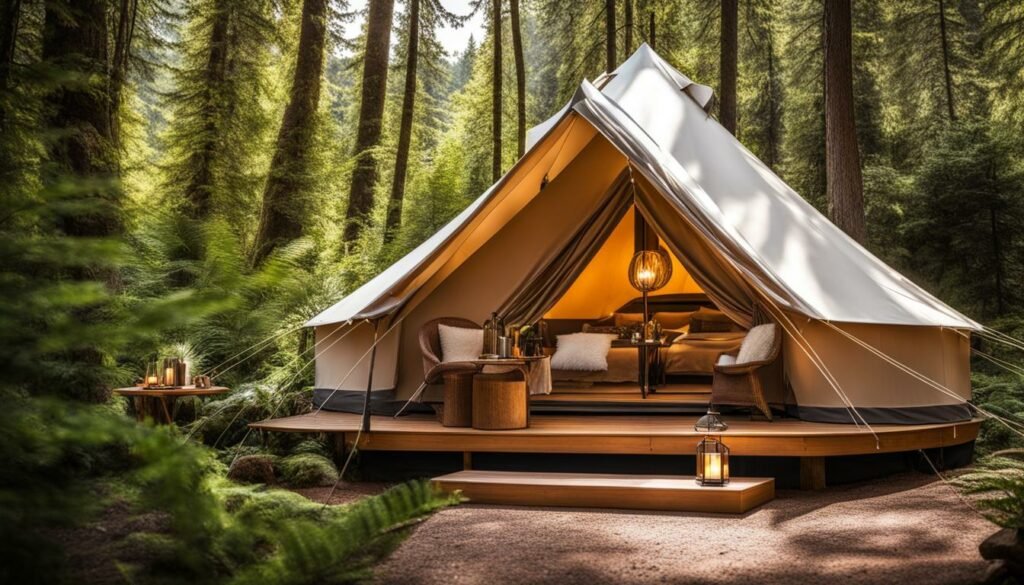
Introduction to Glamping
Imagine waking up to the gentle sounds of nature, with a cup of coffee in hand and plush bedding beneath you. Welcome to the world of glamping—a glamorous twist on traditional camping that combines outdoor adventure with modern comforts. This trend has exploded in popularity over recent years, attracting both seasoned campers and luxury seekers alike. But beyond just offering a unique experience for travelers, glamping resorts are making waves in local economies. Let’s dive deeper into how this innovative approach is reshaping not only vacations but also communities across the globe.
The Evolution of Camping and the Rise of Glamping Resorts
Camping has long been synonymous with rugged outdoor experiences. Think tents, campfires, and sleeping under the stars. For many, this traditional approach offered a taste of adventure but often came with discomfort.
Enter glamping—an innovative twist on camping that blends nature with luxury. The concept emerged from a desire for comfort in the great outdoors. Glampers can enjoy plush beds, gourmet meals, and even private bathrooms—all while surrounded by breathtaking landscapes.
This evolution reflects changing preferences among travelers who seek unique experiences without sacrificing convenience. As more people prioritize comfort alongside their love for nature, glamping resorts have surged in popularity.
These luxurious accommodations attract diverse audiences—from families to couples seeking romantic getaways—opening up new avenues in the tourism sector. With each new resort popping up worldwide, it’s clear that glamping is not just a trend; it represents a significant shift in how we experience outdoor adventures today.
The Economic Benefits of Glamping for Local Communities
Glamping resorts bring a fresh wave of economic vitality to local communities. They attract diverse visitors who seek unique experiences, leading to increased foot traffic in nearby towns.
Local businesses thrive as glampers often indulge in dining, shopping, and entertainment. This supports restaurants, boutiques, and art galleries that may have struggled previously.
Moreover, the influx of tourists can generate revenue through taxes. Funds from tourism help improve infrastructure and community services.
Property owners also benefit by repurposing unused land into attractive glamping sites. This not only diversifies income streams but promotes sustainable land use practices.
As more people embrace this luxurious form of camping, it creates opportunities for cultural exchange between travelers and locals. The blend enriches both parties while fostering community spirit.
Job Creation and Tourism Boost
Glamping resorts are not just about luxury tents and gourmet meals; they significantly contribute to local economies. As these unique accommodations gain popularity, they attract more visitors to the area.
This surge in tourism creates a demand for various services. Local shops, restaurants, and attractions see an increase in foot traffic. That means more revenue for small businesses that thrive on tourist spending.
Job creation is another vital aspect of this glamping economy. Resorts need staff for everything from hospitality management to outdoor activities. Many positions offer competitive pay and flexible hours, appealing especially to younger job seekers.
Moreover, seasonal employment opportunities can help sustain communities year-round. With people flocking to experience the great outdoors in style, areas previously overlooked suddenly find themselves bustling with economic activity. The ripple effect spreads far beyond just one business or resort—it revitalizes entire communities.
Sustainability and Environmental Impact
Glamping resorts often prioritize sustainability, setting them apart from traditional camping. Many of these sites use eco-friendly materials and renewable energy sources. This commitment minimizes their carbon footprint while providing a unique experience.
Water conservation is another focus area. Glamping accommodations frequently incorporate rainwater harvesting systems. These practices help preserve local ecosystems by reducing water waste.
Additionally, many glamping businesses engage in responsible land management. They protect native flora and fauna, ensuring that the natural surroundings remain untouched and vibrant for future generations.
Moreover, guests are encouraged to participate in sustainable activities such as guided nature walks or wildlife observation tours. This connection fosters an appreciation for the environment.
By intertwining luxury with ecological mindfulness, glamping offers a way to enjoy nature without compromising its integrity. The movement not only attracts visitors but also educates them on environmental stewardship through immersive experiences in beautiful landscapes.
The Appeal of Glamping for Tourists
Glamping offers a unique blend of luxury and nature, attracting tourists looking for an unforgettable experience. Unlike traditional camping, glampers enjoy comfortable beds, stylish décor, and modern amenities all while being immersed in the great outdoors.
Many travelers are drawn to the aesthetics of glamping sites. Whether it’s safari tents adorned with plush furnishings or cozy treehouses nestled high above the ground, each accommodation tells its own story. This visual appeal makes for Instagram-worthy moments that today’s digital nomads crave.
Additionally, glamping provides a sense of adventure without sacrificing comfort. Visitors can explore breathtaking landscapes during the day and retreat to their luxurious lodgings at night.
This type of travel also caters to various interests—from wellness retreats focused on relaxation to active getaways featuring hiking or kayaking adventures—ensuring something for everyone who seeks solace in nature’s embrace.
Conclusion: Why Glamping is the Future of Outdoor Accommodations
As the glamping economy continues to grow, it reshapes how people experience nature. Glamping resorts offer comfort and luxury while allowing guests to connect with the great outdoors. This blend of adventure and elegance attracts a diverse range of tourists seeking unique travel experiences.
Additionally, these resorts provide significant economic benefits for local communities. They generate jobs and foster tourism, creating a thriving ecosystem that supports families and businesses alike. The emphasis on sustainable practices within many glamping ventures also promotes environmental stewardship, ensuring natural spaces remain protected for future generations.
The appeal of glamping extends far beyond traditional camping methods. It caters to those who may not have considered outdoor accommodations before but are drawn in by the allure of a comfortable stay amidst stunning landscapes. As more travelers seek memorable escapes from urban life, glamping offers an enticing solution.
With its fusion of luxury and nature as well as its positive impact on local economies, it’s clear that glamping is paving the way for the future of outdoor accommodations. Embracing this trend can lead us toward innovative travel options that benefit both visitors and host communities alike.