
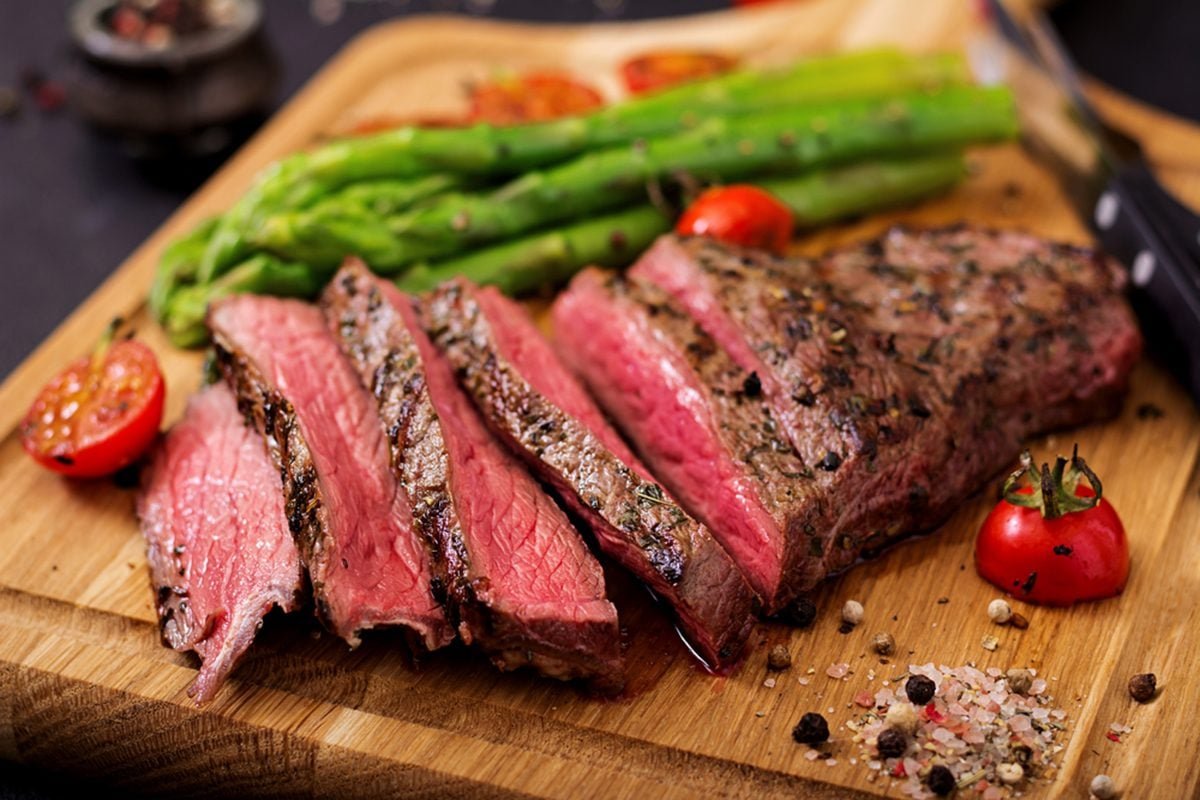
Introduction to Medium Rare Steak
There’s something undeniably satisfying about serving up a perfectly cooked medium rare steak. The tender, juicy meat paired with the rich flavor that comes from just the right amount of heat creates an experience unlike any other. For many home cooks, achieving that ideal level of doneness can feel like an elusive goal. But fear not! With the right techniques and a little practice, you can master this culinary art in your own kitchen.
Imagine slicing into a beautifully seared exterior to reveal that warm pink center—it’s enough to make anyone’s mouth water. Whether you’re planning a romantic dinner or hosting friends for a backyard barbecue, knowing how to cook medium rare steak will elevate your meals and impress your guests. Let’s dive deep into everything you need to know to create restaurant-quality steaks at home!
Choosing the Right Cut of Meat
Selecting the perfect cut of meat is crucial for a medium rare steak. The right choice will elevate your dining experience.
Ribeye is a popular option, known for its marbling and rich flavor. It’s tender and juicy, making it an excellent candidate for medium rare cooking.
Sirloin offers a leaner alternative without sacrificing taste. Its robust flavor works well when seasoned properly.
For those seeking something different, filet mignon stands out with its buttery texture. This cut is incredibly tender but can be pricier.
Don’t overlook flank or skirt steaks; they are flavorful cuts often used in grilling. They require proper slicing against the grain to enhance tenderness.
Consider your cooking method too; some cuts respond better to high heat while others benefit from slower techniques. Choose wisely based on what you enjoy most!
Preparing and Seasoning the Steak
Preparing and seasoning your steak is a crucial step in achieving that perfect medium rare result. Start by taking the meat out of the refrigerator about 30 minutes before cooking. This helps it reach room temperature, which ensures even cooking.
Pat the steak dry with paper towels; this promotes a nice sear. Next, season generously with salt and freshly cracked black pepper on both sides. The salt enhances flavor while creating a delightful crust.
You can also experiment with additional spices or herbs like garlic powder, rosemary, or thyme for extra depth. If you prefer using marinades, keep them simple to highlight the meat’s natural taste.
Remember to avoid overpowering flavors—let the quality of your cut shine through. A little oil brushed lightly on one side will help create that beautiful grill marks without sticking to the pan or grate.
Techniques for Cooking a Perfect Medium Rare Steak
To cook a perfect medium rare steak, start with the right temperature. Let your steak sit at room temperature for about 30 minutes before cooking. This ensures even cooking.
A trusted method is the pan-searing technique. Heat a cast-iron skillet over high heat until it’s nearly smoking. Add a splash of oil and carefully lay in the steak, listening for that satisfying sizzle.
For grill lovers, preheat your grill to high heat. Sear each side for about 4-5 minutes without moving it around too much. This helps develop those beautiful grill marks and enhances flavor.
Don’t forget the trusty meat thermometer! Aim for an internal temperature of 130°F (54°C) when you pull it off the heat—carryover cooking will raise that number slightly as it rests.
Consider using the reverse sear method if you’re feeling adventurous. Cook slowly on low heat first, then finish with a quick sear to lock in juices and create that sought-after crust.
Resting and Serving Your Steak
Resting your steak is a crucial step that many overlook. After cooking, the meat needs time to relax. This allows the juices to redistribute throughout, ensuring every bite is flavorful and moist.
Place your medium rare steak on a cutting board or plate. Cover it loosely with aluminum foil to keep it warm while resting for about 5-10 minutes. This brief pause can make all the difference in texture and taste.
When it’s time to serve, slice against the grain for maximum tenderness. Presenting it beautifully adds to the dining experience—consider garnishing with fresh herbs like parsley or thyme.
Pair your steak with vibrant sides, such as roasted vegetables or a crisp salad. Don’t forget a drizzle of olive oil or balsamic vinegar for an extra touch of flavor that complements your perfectly cooked medium rare masterpiece.
Common Mistakes to Avoid
One of the biggest mistakes when cooking a medium rare steak is not letting it come to room temperature before searing. A cold steak can cook unevenly, leading to an undesirable texture.
Another common error is neglecting to season properly. Don’t skimp on salt and pepper, as they enhance the natural flavors of the meat.
Many home cooks also tend to flip their steaks too often while cooking. Resist the urge—flipping once allows for better caramelization and those beautiful grill marks.
Using a knife to check doneness can be misleading too; instead, invest in a reliable meat thermometer for accuracy. You want that perfect internal temperature of 130-135°F.
Cutting into your steak immediately after cooking releases juices and dries it out. Patience pays off here; always let it rest before slicing!
Tips for Pairing Sides and Sauces with your Medium Rare Steak
Pairing sides and sauces with your medium rare steak elevates the meal to new heights. Fresh, vibrant vegetables bring life to the plate. Consider grilled asparagus or sautéed spinach, which offer a delightful contrast in texture.
For starches, creamy mashed potatoes work wonders. Their richness complements the juicy meat beautifully. Alternatively, try crispy roasted potatoes for added crunch.
Sauces are essential too. A classic red wine reduction enhances flavors without overpowering them. If you’re feeling adventurous, chimichurri adds a zesty kick that livens up every bite.
Don’t forget about simplicity! A sprinkle of flaky sea salt or freshly cracked pepper can make all the difference.
Experimentation is key when finding what works best for your palate—so don’t hesitate to mix and match until you discover your favorite combinations.
Final Thoughts: Practicing and Perfecting Your Skills
Mastering the art of cooking a medium rare steak takes practice and patience. It’s about understanding the nuances of heat, timing, and technique. The more you experiment with different cuts and methods, the better you’ll become.
Take notes on what works for you—whether it’s your preferred seasonings or cooking temperatures. Each time you cook a steak, you’re honing your skills.
Don’t shy away from trying new techniques or making adjustments based on your taste preferences. Cooking is as much an art as it is a science.
Enjoy the journey of learning how to create that perfect medium rare steak at home!