
Introduction
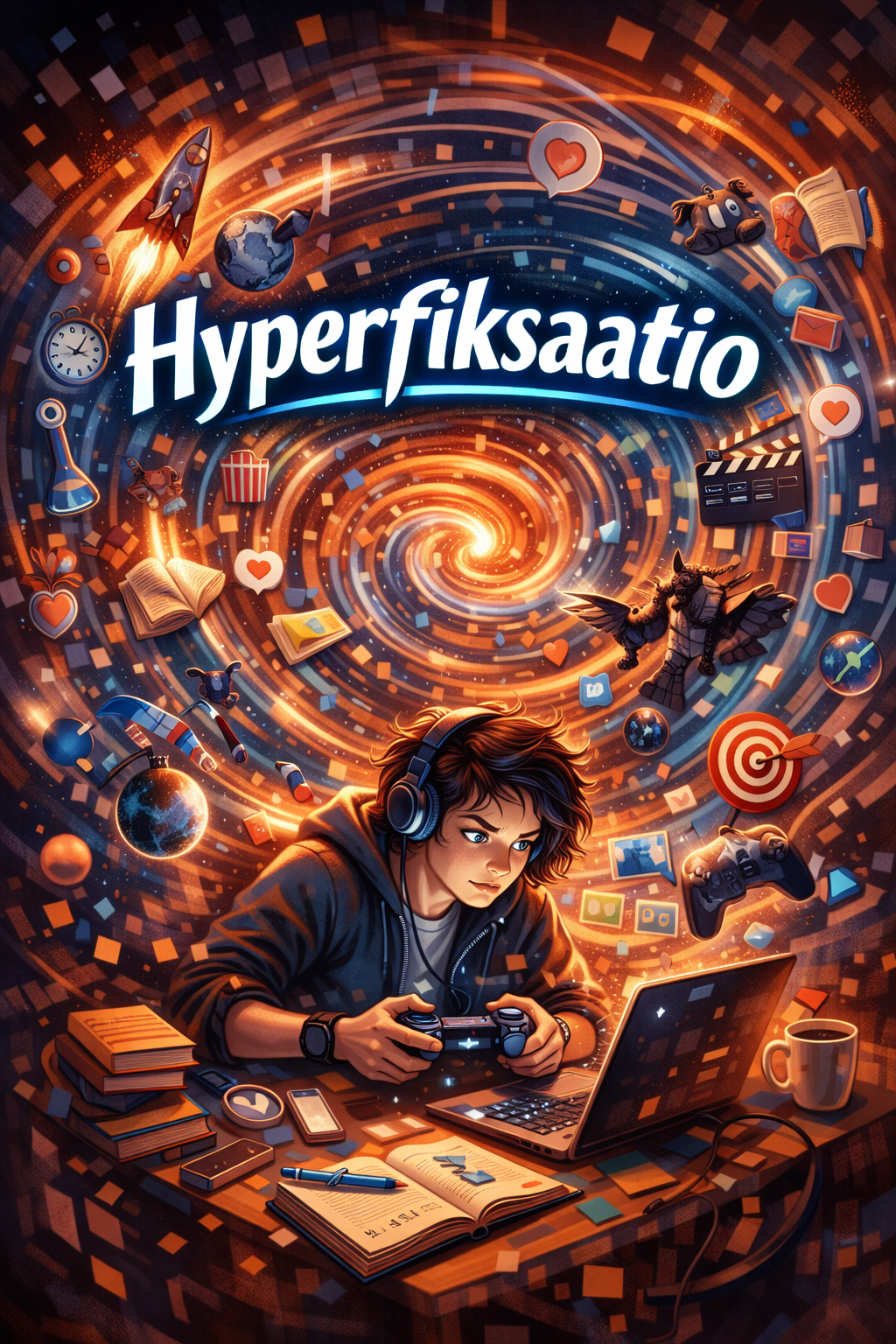
Have you ever found yourself deeply engrossed in a hobby or an interest, to the point where it feels like your entire world revolves around it? That intense focus has a name: hyperfiksaatio. It’s that all-consuming passion that can take root at any age and shape our lives in remarkable ways. As we journey from childhood through adolescence and into adulthood, this fixation evolves with us. Understanding how hyperfiksaatio manifests in different life stages opens up fascinating discussions about personal development and self-discovery.
Join us as we delve into the intriguing evolution of hyperfiksaatio across various phases of life, exploring its impact on growth, identity, and balance. Whether you’re a parent curious about your child’s interests or an adult seeking harmony amid life’s distractions, this exploration promises insights that resonate with everyone navigating their unique path to fulfillment.
What is Hyperfiksaatio?
Hyperfiksaatio, or hyperfocus, refers to an intense fixation on a specific interest or task. This phenomenon can be both intriguing and overwhelming.
Often seen in individuals with ADHD, it allows for deep concentration. When someone is hyperfixated, distractions fade away. Their world narrows down to just that one thing.
This state can lead to remarkable achievements but also challenges. While the focus brings out creativity and productivity, it may cause neglect of other responsibilities or relationships.
Whether it’s art, coding, or a hobby like collecting stamps, hyperfiksaatio creates a passionate connection between the individual and their interest. Understanding this concept opens doors to better self-awareness and personal growth opportunities.
Understanding Different Stages of Personal Development
Personal development unfolds in distinct stages, each marked by unique challenges and opportunities. Understanding these phases helps illuminate the role of hyperfiksaatio throughout one’s life.
In childhood, exploration reigns supreme. Young minds soak up information like sponges. A fixation on toys or interests can foster creativity but may also lead to tunnel vision if unchecked.
Adolescence brings a shift as social dynamics become pivotal. Here, hyperfiksaatio often intertwines with peer influences and trends from platforms like Instagram or TikTok. It shapes identities and self-esteem, sometimes leading to unhealthy comparisons.
As we transition into adulthood, the focus narrows further—careers, relationships, personal goals all vie for attention. The challenge lies in maintaining passion without allowing it to consume every aspect of life. Balancing various responsibilities while nurturing interests becomes essential for holistic growth at this stage.
Childhood and Hyperfiksaatio: How Children Develop Fixations
Children often experience hyperfiksaatio, a phenomenon where they become intensely focused on specific interests or activities. This fixation can manifest in various ways, from a deep passion for dinosaurs to an unwavering love for a particular video game.
During childhood, the brain undergoes rapid development. It absorbs information and experiences like a sponge. When children find something that sparks their curiosity, they dive into it wholeheartedly. This exploration drives learning and creativity.
Parents might notice these fixations shifting over time. One week it could be trains; the next, it’s outer space. Each transition showcases how children’s minds are wired to explore different facets of their world deeply.
Hyperfiksaatio plays an essential role in shaping personalities and skills too. These passions foster not just knowledge but also confidence as children express themselves through what excites them most.
Adolescence and Hyperfiksaatio: The Influence of Social Media
Adolescence is a pivotal time for self-discovery, but it often comes with challenges. During this stage, hyperfiksaatio can take on new dimensions due to the influence of social media.
Platforms like Instagram and TikTok provide endless content that can captivate young minds. This constant flow of information may lead teenagers to fixate intensely on trends or personalities they encounter online.
As they scroll through curated feeds, adolescents might develop an obsession with body image, lifestyle choices, or even specific hobbies. The pressure to fit in and impress peers can intensify these fixations.
It’s essential for teens to recognize when their interests start consuming them. Balancing online engagement with offline activities promotes healthier development during this critical phase of life.
Adulthood and Hyperfiksaatio: Finding Balance in Life
Adulthood often brings new responsibilities and distractions. Hyperfiksaatio can become more pronounced during this time, as adults juggle careers, relationships, and personal interests.
Many find themselves diving deep into hobbies or projects, sometimes to the detriment of their overall well-being. It’s easy to lose sight of balance when passions take over.
However, awareness is crucial. Recognizing when hyperfiksaatio starts affecting other areas of life is the first step toward regaining equilibrium. Setting boundaries around time spent on specific interests helps maintain a healthy perspective.
Incorporating varied activities allows for mental refreshment. Engaging in exercise or social interactions can break the cycle of fixation while promoting holistic growth.
Mindfulness practices also play a role here. Taking moments to reflect fosters self-awareness and encourages flexibility in daily routines. This way, adults can enjoy their passions without letting them dominate their lives completely.
Ways to Overcome Hyperfiksaatio at Any Stage of Life
Finding balance is key when tackling hyperfiksaatio. Start by setting clear, achievable goals. Break them down into smaller tasks to avoid feeling overwhelmed.
Mindfulness techniques can be beneficial as well. Practicing meditation or deep breathing helps center your thoughts and reduces fixation on a single topic.
Engaging in diverse activities aids distraction from intense fixations. Explore new hobbies, connect with friends, or volunteer for causes that interest you.
Establishing a routine can also help regulate focus. Allocate specific times for interests while leaving room for spontaneity and exploration of other passions.
Don’t hesitate to seek support. Talking to friends or professionals about hyperfiksaatio can provide fresh perspectives and coping strategies tailored just for you.
Conclusion
Hyperfiksaatio plays a significant role throughout our lives, shaping how we focus and engage with different interests. From the innocent fixations of childhood, where the world is full of wonder, to the complex distractions introduced by social media during adolescence, our understanding and management of hyperfiksaatio evolve.
As adults, finding a balance becomes essential. It’s crucial to recognize when a fixation is beneficial or detrimental. By developing strategies to manage hyperfiksaatio effectively at any life stage, we can harness its power for personal growth rather than allowing it to become an obstacle.
Understanding this phenomenon offers insight into our behaviors and helps us navigate relationships with ourselves and others more healthily. Embracing both our passions and limitations leads to a more fulfilling journey in personal development.