
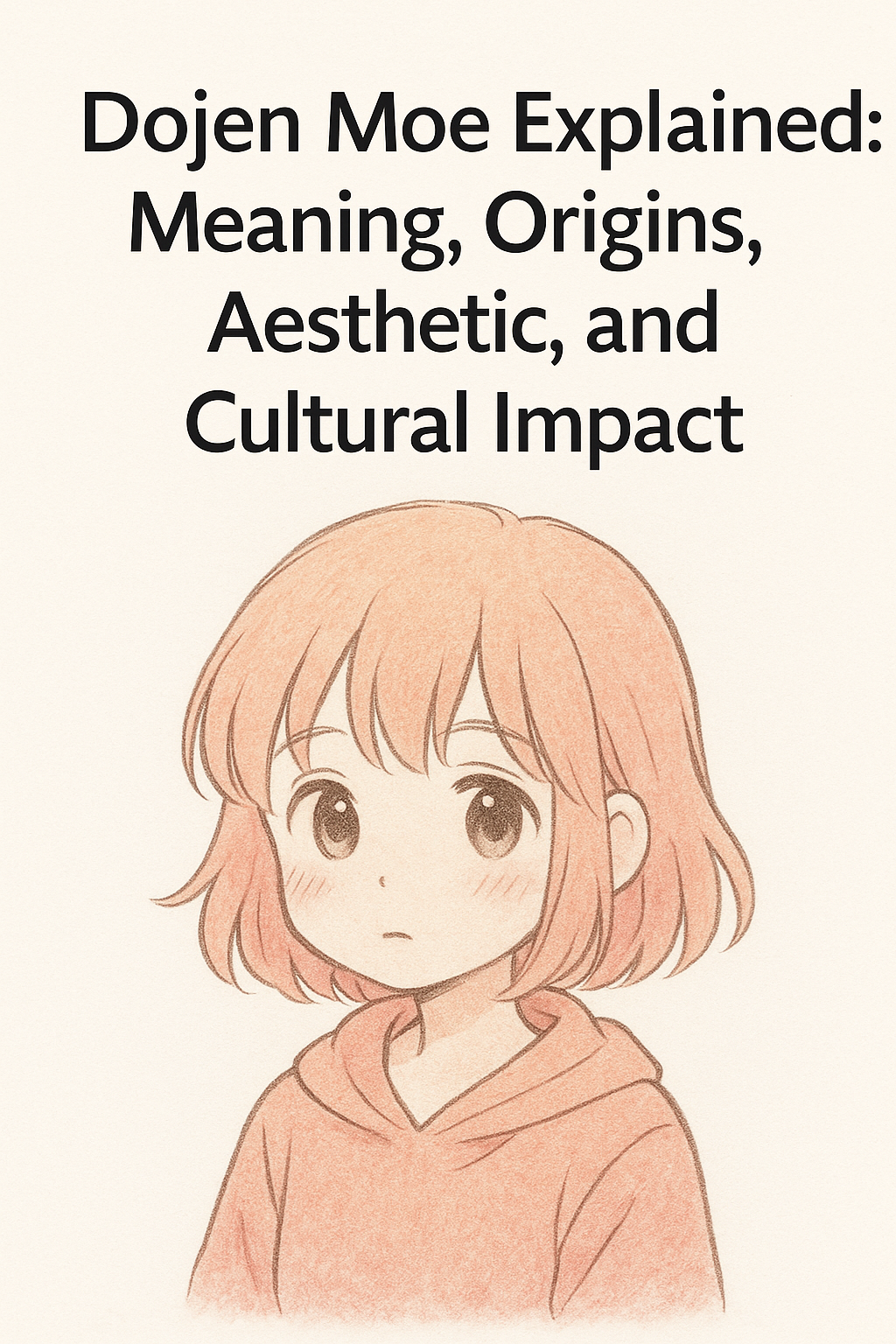
Search Dojen Moe and you’ll see a lot of soft words. Heartfelt. Whimsical. Emotional. None of that is wrong. It’s just incomplete. Dojen Moe isn’t a checklist of visual traits or another internet aesthetic slapped with a cute label. It’s a reaction. A pushback. A quiet corner of digital art culture where people stopped chasing polish and started chasing feeling instead.
That’s the short version. Now let’s unpack the rest—without pretending this is neat or perfectly defined. Because it isn’t.
What Is Dojen Moe?
Dojen Moe is a fan-driven digital art aesthetic rooted in emotion and personal expression. It borrows the independent spirit of doujin culture—self-published, creator-led work—and blends it with moe, that warm emotional pull people feel toward characters. The art isn’t loud. It doesn’t need to be. Expressive characters, gentle colors, and small moments do the work.
You’ll also see spelling variations like Ydojen Moe floating around. Same idea. Different keyboard habits. At its core, Dojen Moe values emotional resonance over technical perfection. Always has.
Where the Term Dojen Moe Comes From
The words matter. They just don’t behave.
Doujin refers to fan-made or self-published creative work, usually outside big studios or publishers. Moe describes affection—sometimes intense, sometimes subtle—toward fictional characters. Smash them together and you get Dojen Moe. Sort of.
Online communities aren’t language purists. Terms bend. Spellings drift. That’s how Ydojen Moe shows up. It’s not a new movement. It’s linguistic wear and tear from forums, art platforms, and casual sharing. Messy? Yes. Natural? Also yes.
The Core Characteristics of the Dojen Moe Aesthetic
Visual Traits
Dojen Moe art favors softness over spectacle. Think muted palettes, rounded shapes, expressive eyes that say more than dialogue ever could. The compositions stay simple. On purpose. Empty space isn’t laziness—it’s breathing room.
Nothing screams for attention. That’s the point.
Emotional Traits
This is where it hits. Vulnerability. Nostalgia. Quiet affection. Dojen Moe leans into emotional storytelling without spelling everything out. A glance. A pause. A half-finished moment. Viewers fill in the gaps themselves.
And they usually do.
How Dojen Moe Differs From Other Popular Aesthetics
People confuse Dojen Moe with a lot of things. Understandable. It lives close to them.
-
Dojen Moe vs Moe: Moe focuses on affection toward characters. Dojen Moe builds a whole emotional environment around that feeling.
-
Dojen Moe vs Kawaii: Kawaii aims for cuteness. Dojen Moe aims for connection.
-
Dojen Moe vs traditional anime art: Anime often prioritizes action, clarity, and polish. Dojen Moe slows everything down.
Less shine. More feeling.
Why Dojen Moe Resonates in Digital Art Communities
Online art spaces move fast. Algorithms reward volume, trends, and repetition. Dojen Moe doesn’t play that game. It attracts artists and fans who want something quieter. Something personal.
Digital art communities thrive on shared emotion. Dojen Moe gives them a common language. Not through rules, but through mood. That’s why it sticks around while flashier aesthetics burn out.
How Artists Use Dojen Moe in Practice
Dojen Moe artists don’t chase complexity. They chase intent.
A single character.
A small setting.
One emotional beat.
That’s enough. Storytelling happens through posture, color choices, and framing. Many creators share this work on platforms where fan culture thrives—spaces built for interaction, not mass appeal. Comments matter. Conversations matter. The art invites them in.
Is Dojen Moe a Style, a Trend, or a Movement?
Labels struggle here.
Styles have rules. Trends fade. Movements usually announce themselves. Dojen Moe does none of that. It behaves more like a shared emotional instinct across digital art communities. People arrive at it independently. Then realize others are already there.
That’s not an accident.
Who Is Dojen Moe Really For?
Dojen Moe resonates with:
-
independent digital artists
-
anime and manga fandoms
-
viewers drawn to emotional subtlety
It doesn’t land with everyone. People chasing spectacle or hyper-polished visuals often bounce off it. That’s fine. Not everything needs mass appeal.
Common Misunderstandings About Dojen Moe
“It’s just cute art.”
Nope. Cuteness can exist, but it’s not the goal.
“It’s the same as doujinshi.”
Wrong lane. Doujinshi is a format. Dojen Moe is an emotional aesthetic.
“It’s overly sentimental.”
Sometimes. That’s not a flaw. That’s honesty.
The Future of Dojen Moe
Dojen Moe isn’t exploding. It’s spreading quietly. Into new platforms. New creators. New interpretations. As digital culture keeps speeding up, aesthetics that slow people down gain value. Emotional storytelling doesn’t age out. It adapts.
Expect evolution. Not replacement.
FAQs About Dojen Moe
Is Dojen Moe a real art style?
It’s real enough to have a community and shared language.
Is Dojen Moe only anime-related?
Anime influences it, but the emotion travels across mediums.
Can beginners create Dojen Moe art?
Yes. Technical mastery isn’t the entry fee.
Why is Dojen Moe becoming popular now?
Because people are tired of noise.
Conclusion
Dojen Moe isn’t trying to win attention. It’s trying to be felt. That’s why it survives in digital art communities while louder aesthetics burn bright and vanish. Whether you call it Dojen Moe or Ydojen Moe, the idea stays the same—emotion first, polish second.
And honestly? That’s refreshing.
 IQnewswire